Did you know that in the first half of 2024 alone, severe thunderstorms in the U.S. caused an estimated $45 billion in losses?[1] This isn’t just a startling statistic; it’s a powerful reminder of the destructive potential of severe weather. When your phone buzzes with a severe thunderstorm warning, it’s more than just an alert about rain and thunder—it’s a critical call to action. With the increasing intensity of storms, understanding the different weather warnings and knowing how to prepare is no longer optional; it’s essential for your safety. This guide will provide five crucial tips to help you and your family stay safe when a warning severe thunderstorm is issued.
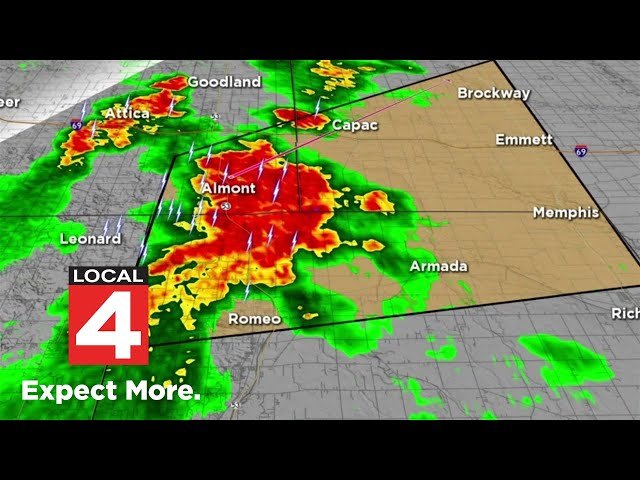
Decoding the Warning: Key Features of a Severe Thunderstorm
Not all thunderstorms are created equal. The National Weather Service has specific criteria for a thunderstorm to be classified as “severe.” Understanding these features helps you grasp the potential danger behind the alert.
A severe thunderstorm is defined by its ability to produce at least one of the following:
- High Winds: Wind gusts of 58 miles per hour or greater.[2][3] These winds can snap large tree branches, uproot trees, and cause significant structural damage.[2][4]
- Large Hail: Hail that is one inch in diameter (the size of a quarter) or larger.[2][3] This can cause serious damage to vehicles, roofs, and crops.[2][3]
- Tornadoes: While not every severe thunderstorm produces a tornado, the conditions within them are often ripe for their formation.[3]
It’s also crucial to remember that all thunderstorms are dangerous because they produce lightning, which kills about 20 people in the United States each year and injures hundreds more.[5] Additionally, the heavy rainfall associated with these storms can quickly lead to a dangerous flash flood.
The Anatomy of a Weather Alert: Watches vs. Warnings
Hearing “watch” and “warning” used in weather issued forecasting can be confusing, but the difference is critical for your safety. Getting these warnings watches straight will determine how you should react.
| Alert Type | Meaning | Your Action |
| Severe Thunderstorm Watch | Be Prepared. Conditions are favorable for severe weather to develop in and near the watch area.[6][7] | Monitor the forecast, have a plan ready, and ensure your emergency kit is stocked.[8] |
| Severe Thunderstorm Warning | Take Action! A severe thunderstorm has been spotted or indicated by weather radar. Danger is imminent.[6][7][9] | Move to a safe, sturdy shelter immediately. Stay away from windows and doors.[6][8] |
On a severe weather map, you’ll see these areas highlighted. When a public warning is issued, it often comes with a specific warning code, like SVR, which stands for Severe Thunderstorm Warning.[10] Understanding this code svr type means you can quickly grasp the severity of the alert.
The 5 Key Tips for Severe Thunderstorm Preparedness
When a public warning severe weather event is on the horizon, being prepared can make all the difference. Here are five essential steps to take.
Tip 1: Create a Family Emergency Plan
Before any severe weather is issued, sit down with your family. Designate a safe room in your home—this should be an interior room on the lowest floor, away from windows, skylights, and glass doors.[4] Establish a communication plan, including an out-of-state contact person everyone can check in with. Practice your plan so everyone knows what to do without hesitation.[11]
Tip 2: Build Your Emergency Kit
A well-stocked emergency kit is a lifeline. It should be easily accessible and contain essentials to last for at least 72 hours.[12]
- Water (one gallon per person per day)
- Non-perishable food and a can opener
- Battery-powered or hand-crank radio (like a NOAA Weather Radio)
- Flashlight and extra batteries
- First-aid kit and any essential medications
- Copies of important documents
Tip 3: Secure Your Home and Property
Take a walk around your property before a storm arrives.
- Trim or remove dead or rotting trees and branches that could fall.[4][12]
- Secure outdoor objects like patio furniture, trampolines, and trash cans that could become projectiles in high winds.[11][12]
- Close and secure windows and doors. Consider closing blinds or curtains to offer another layer of protection from broken glass.[12]
Tip 4: Stay Informed with Reliable Sources
In the age of misinformation, getting your weather warnings from a trusted source is vital. The best options are a NOAA Weather Radio, local news broadcasts, and official weather apps.[8] Since 2021, the National Weather Service has added “damage threat” tags to thunderstorm warning code alerts to better convey the level of risk. A “destructive” tag, for instance, is reserved for storms with baseball-sized hail or 80+ mph winds and will trigger a Wireless Emergency Alert (WEA) on your smartphone.[13][14]
Tip 5: Know What to Do During the Storm
When the warning severe alert is active, it’s time to act.
- Indoors: Go to your designated safe room. Stay away from plumbing and corded phones, as lightning can travel through pipes and wires.[8][12] Unplug sensitive electronics to protect them from power surges.[8][15]
- Outdoors: If you’re caught outside, find a sturdy building immediately. If no shelter is available, get to a low-lying area away from tall, isolated trees.[12][15] If in a car, pull over safely, turn on your emergency flashers, and keep your hands off any metal surfaces.[12]
Common Mistakes to Avoid During a Warning
- Underestimating the Threat: Don’t assume it’s “just a thunderstorm.” A severe thunderstorm warning means there is a confirmed threat.
- Waiting Too Long to Seek Shelter: The moment a warning is issued, take shelter.[6]
- Driving Through Flooded Roads: It only takes a few inches of fast-moving water to sweep a car away. Turn around, don’t drown.
- Going Outside Too Soon: Wait at least 30 minutes after the last clap of thunder before heading back outside.[15]
How a Severe Thunderstorm Warning Differs from Other Alerts
Understanding the specific threats associated with different alerts is crucial for taking the right precautions.
| Alert Type | Primary Threats | Immediate Action |
| Severe Thunderstorm Warning | Damaging winds (58+ mph), large hail (1″+), potential for tornadoes, lightning, flash flood. | Move to an interior room on the lowest level. Stay away from windows. |
| Tornado Warning | A tornado has been sighted or indicated by radar. Extremely dangerous winds and flying debris. | Get to a basement, storm cellar, or the smallest, most interior room on the lowest floor. Cover your head. |
| Flash Flood Warning | Rapidly rising water from heavy rain. Life-threatening floods can occur with little warning. | Move to higher ground immediately. Do not walk or drive through floodwaters. |
Final Verdict: Your Safety is Non-Negotiable
A severe thunderstorm warning is one of the most common yet potentially destructive weather warnings you can receive. The threat of high winds, large hail, tornadoes, and flash floods is real and requires immediate, decisive action. By following these five key tips—having a plan, building a kit, securing your property, staying informed, and knowing your safe place—you can significantly increase your safety and resilience in the face of severe weather.
Don’t wait for the next storm to prepare. Share this guide with your family and friends, and start building your emergency kit today. Your preparation is your best defense.
FAQs about Severe Thunderstorm Warnings
What is the difference between a severe thunderstorm watch and a warning?
A watch means conditions are favorable for severe thunderstorms to develop. A warning means a severe thunderstorm is happening or is imminent, and you need to take shelter immediately.[6][9]
How long do severe thunderstorms usually last?
A typical thunderstorm lasts about 30 minutes to an hour, but a severe storm system can affect an area for several hours.[4]
Can a severe thunderstorm produce a tornado?
Yes. Many severe thunderstorms have the rotating updrafts (supercells) necessary to spawn tornadoes. This is why it’s crucial to take every warning severe thunderstorm seriously.
What does the warning code SVR mean?
SVR is the code used by the National Weather Service for a Severe Thunderstorm Warning.[10]
Is lightning included in the criteria for a severe thunderstorm?
No. While all thunderstorms produce lightning, it is not a specific criterion for a storm to be classified as severe.[16] The NWS motto is: “When Thunder Roars, Go Indoors.”
Sources help
- reliefweb.int
- weather.gov
- washingtonpost.com
- jb.mil
- weather.gov
- encompassinsurance.com
- tricare.mil
- nationwide.com
- london.ca
- weather.gov
- weather.gov
- 211ct.org
- erienewsnow.com
- weather.gov
- metrofamilymagazine.com
- weather.gov
Google Search Suggestions
Display of Search Suggestions is required when using Grounding with Google Search. Learn more

severe thunderstorm damage statistics 2024how many people are killed by lightning each yeardifference between severe thunderstorm watch and warningNWS criteria for severe thunderstormwhat does SVR code mean in weatherhow to prepare for a severe thunderstorm