The Unlikely Alliance: How RFK Jr. is Forcing a Healthcare Showdown in the Senate Finance Committee
RFK Jr. Brings His Crusade to Congress, and Washington is Listening
WASHINGTON, D.C. – March 10, 2025 – He may not be in the White House, but in a move that has captivated and confounded the political establishment, Robert F. Kennedy Jr. has brought his populist crusade directly to the heart of Congress. The independent firebrand, known widely as RFK Jr., is the architect of a sweeping new healthcare reform proposal now at the center of a high-stakes debate within the powerful Senate Finance Committee. This unexpected development has forced an uneasy reckoning between the committee’s top Democrat, Chairman Ron Wyden, and its senior Republican physician, Senator Bill Cassidy, as they grapple with a plan that could fundamentally reshape America’s pharmaceutical industry.
The political world has been fixated on RFK Jr. since his disruptive 2024 presidential campaign. Now, leveraging his massive public platform, he has become a de facto lobbyist for a cause he has championed for decades. His “Patient Freedom and Pharma Accountability Act” has gained enough grassroots momentum to command a formal hearing, placing him directly opposite the very senators who control the nation’s economic and healthcare purse strings. The central question is no longer whether RFK can get attention, but whether his radical ideas can actually become law.
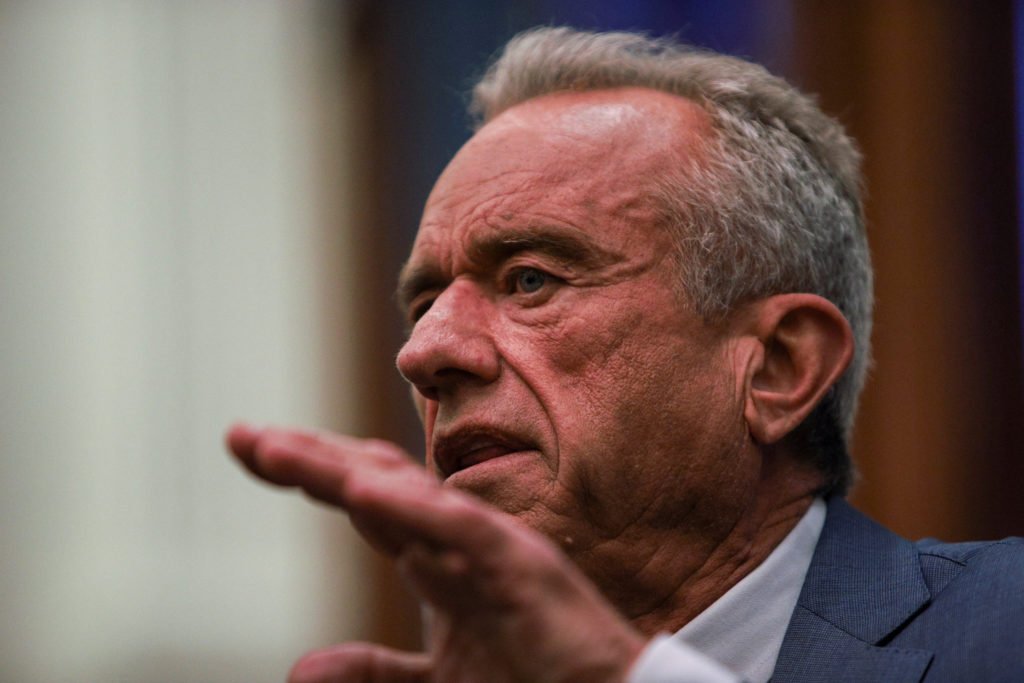
From Campaign Trail to Capitol Hill: The Enduring Influence of RFK Jr.
To understand how Robert F. Kennedy Jr. arrived at this pivotal moment, one must look at the political landscape he helped create. His 2024 independent run, while unsuccessful in capturing the presidency, proved that a significant portion of the electorate—on both the left and right—is deeply distrustful of established institutions, particularly in healthcare.
Instead of fading into obscurity, RFK Jr. has strategically parlayed his campaign’s momentum into a formidable advocacy organization. This group has spent the past year mobilizing supporters to pressure lawmakers on issues ranging from environmental regulation to medical freedom. This sustained pressure campaign is precisely why the Senate Finance Committee, a body typically bogged down in tax code minutiae, is now publicly debating his populist healthcare vision.
Timeline of RFK Jr.’s Post-Election Push:
- November 2024: Following the election, RFK announces the formation of the “American Renewal Project” to continue his movement.
- January 2025: The organization releases the framework for the “Patient Freedom and Pharma Accountability Act.”
- February 2025: Over one million supporters sign a petition, delivered to Congress, demanding a hearing on the proposal.
- March 2025: Chairman Wyden agrees to hold a public hearing before the Senate Finance Committee, citing “overwhelming public interest.”
This journey from insurgent candidate to influential policy shaper demonstrates a new model of political power in a deeply polarized America.
The Kennedy Proposal: Latest Developments from the Senate Finance Committee
The hearing room was packed as RFK Jr. presented the core tenets of his bill. Flanked by charts and expert testimony, he delivered a passionate argument for a radical overhaul. The bill’s main pillars include:
- Aggressive Drug Price Negotiation: Empowering Medicare to negotiate prices for a much wider array of drugs and imposing steep tax penalties on pharmaceutical companies that refuse to comply.
- FDA and CDC Restructuring: A controversial proposal to split the FDA’s drug approval and safety monitoring functions into separate agencies and to subject the CDC’s recommendations to a new level of congressional oversight.
- Ending Direct-to-Consumer Advertising: A complete ban on television and digital advertising for prescription drugs, a move RFK argues would reduce demand for overpriced medications.
- Liability Shield Removal: Stripping pharmaceutical companies of certain liability protections for vaccines and other medical products, a cornerstone of the RFK Jr. platform.
The atmosphere during the hearing was tense. This wasn’t a typical policy debate; it was a direct challenge to the Washington consensus, delivered by an outsider who refuses to play by the established rules.
A Committee Divided: Impact and Reactions from Wyden and Bill Cassidy
The response from the committee’s leadership reveals the deep divisions RFK Jr.‘s proposal has created.
Chairman Ron Wyden (D-OR): Cautious Engagement
As chairman, Ron Wyden is a long-time advocate for lowering drug prices. He praised RFK Jr.‘s “boldness” and acknowledged the public’s anger at the status quo. However, he expressed serious reservations.
“While I share Mr. Kennedy’s goal of holding Big Pharma accountable, we must be surgical,” Wyden stated in his opening remarks. “Some of these proposals could have unintended consequences that stifle innovation and disrupt patient access to life-saving medicines. The work of the Senate Finance Committee is to find a balance.”
Senator Bill Cassidy (R-LA): Skeptical but Intrigued
As a physician, Senator Bill Cassidy brings a unique medical and free-market perspective. He has historically opposed government price controls but is also a vocal critic of opaque pricing in healthcare. He directed pointed questions at RFK Jr. about the potential economic fallout of the bill.
“My concern, Mr. Kennedy,” Cassidy said, “is that while your diagnosis of the problem has merit, your prescription could kill the patient. However, the status quo is unacceptable. I am willing to discuss any idea that genuinely introduces transparency and competition into the marketplace.”
This nuanced reaction from a key Republican like Bill Cassidy is exactly what RFK was hoping for—an opening to build a bipartisan coalition of populists against the corporate establishment.
| Senator | Stance on RFK Jr. Proposal | Key Concern | Potential Common Ground |
| Ron Wyden (D) | Cautiously Open | Impact on pharmaceutical innovation | Expanding drug price negotiation |
| Bill Cassidy (R) | Highly Skeptical | Government overreach, market disruption | Increasing price transparency |
The rest of the Senate Finance Committee fell along similar lines, with progressive Democrats applauding the bill’s ambition and conservative Republicans decrying it as a socialist takeover of healthcare.
The Great Debate: Pros and Cons of the RFK Jr. Plan
The proposal has ignited a firestorm of debate among policy experts, industry leaders, and the public.
Arguments in Favor (Pros):
- Dramatically Lower Costs: Proponents argue this is the only way to achieve meaningful reductions in drug prices for consumers and the government.
- Increased Accountability: The plan would force a level of transparency and liability on the pharmaceutical industry that has never existed before.
- Restoring Public Trust: Supporters of RFK believe that overhauling the FDA and CDC is essential to restoring faith in public health institutions.
Arguments Against (Cons):
- Threat to Innovation: The pharmaceutical lobby argues that reduced profits and increased liability would slash R&D budgets, leading to fewer new cures.
- Government Overreach: Critics see the plan as a massive expansion of federal power into the private sector that would create dangerous precedents.
- Potential for Instability: Healthcare economists warn that such a radical, sudden shift could destabilize the entire healthcare system, leading to drug shortages and reduced access to care.
A Populist Playbook: Comparisons to Past Reform Efforts
How does the RFK Jr. approach compare to other major reform attempts?
- The Affordable Care Act (ACA): While the ACA expanded insurance coverage, it did relatively little to control the underlying cost of drugs. The RFK plan ignores insurance mechanics and goes straight for the source: the drug manufacturers.
- Trump Administration Initiatives: The Trump-era focus on price transparency and “most favored nation” drug pricing shared a populist spirit with the Kennedy plan but was far less structurally ambitious.
- Sanders’ “Medicare for All”: Senator Bernie Sanders’ plan involves a complete government takeover of health insurance. In contrast, RFK Jr.‘s proposal is a targeted assault on one specific industry within the existing system.
The Robert F. Kennedy Jr. strategy is unique. It’s a single-issue, populist battering ram aimed at an industry with low public approval ratings, making it a difficult target for opponents to defend.
Future Outlook: Can the RFK Jr. Bill Survive the Senate?
The road ahead for this legislation is incredibly steep. To become law, it would need to:
- Pass the Senate Finance Committee: This would require either unanimous Democratic support or, more likely, a bipartisan compromise brokered by Wyden and Cassidy.
- Pass the Full Senate: It would need to secure 60 votes to overcome a certain filibuster, an almost impossible task in today’s Senate.
- Pass the House and Be Signed by the President.
Despite the long odds, the influence of RFK Jr. should not be underestimated. He has successfully forced an issue onto the agenda of one of Washington’s most powerful committees. The ultimate success may not be in passing the bill as written, but in shifting the entire political conversation and forcing a compromise that incorporates some of his core ideas.
A New Chapter for Robert F. Kennedy Jr.
In the hearing rooms of the Senate Finance Committee, RFK Jr. has successfully transitioned from a political disruptor to a genuine policy force. His crusade against the pharmaceutical industry has found its grandest stage yet, creating unlikely allies and formidable enemies. Whether his proposals lead to landmark legislation or a spectacular flameout, one thing is certain: Robert F. Kennedy Jr. has ensured that his voice, and the frustrations of the millions he represents, can no longer be ignored by the powers in Washington.
What do you think of the RFK Jr. healthcare proposal? Is it a bold solution or a dangerous overreach? Share your thoughts in the comments below.
RFK Jr. and Healthcare Reform: Frequently Asked Questions (FAQs)
Q1: What is the new bill being pushed by RFK Jr. in 2025?
RFK Jr. is championing a legislative proposal called the “Patient Freedom and Pharma Accountability Act.” It aims to radically overhaul the U.S. pharmaceutical industry by negotiating drug prices, restructuring the FDA, and removing liability protections from drug companies.
Q2: How is the Senate Finance Committee involved?
The Senate Finance Committee, which has jurisdiction over Medicare and federal health programs, is holding hearings on the proposal championed by RFK Jr. The committee, chaired by Ron Wyden, must approve any such legislation before it can be voted on by the full Senate.
Q3: What are the roles of Senator Bill Cassidy and Senator Wyden?
Ron Wyden, as the Democratic Chairman of the Senate Finance Committee, is overseeing the hearings and will be a key figure in deciding if any version of the bill moves forward. Bill Cassidy, a senior Republican on the committee and a physician, is a crucial voice of opposition and potential compromise from the GOP side.
Q4: Is Robert F. Kennedy Jr. a member of the Senate?
No, Robert F. Kennedy Jr. is not a senator. He is acting as a private citizen and political advocate, using the influence and platform he built during his 2024 presidential campaign to pressure Congress to consider his policy ideas.
Q5: What is the main goal of the RFK Jr. proposal?
The primary goal is to significantly lower the cost of prescription drugs and increase the accountability of pharmaceutical companies and federal health agencies. The RFK platform argues that these institutions have been captured by corporate interests.
Q6: Does this bill have a chance of passing?
The bill faces significant obstacles and is unlikely to pass in its current form. However, the high-profile push by RFK Jr. could force a bipartisan compromise on certain components, such as drug price transparency or limited Medicare negotiation, which have support from members like Wyden and Bill Cassidy.
Q7: How does this relate to RFK’s past activism?
This legislative push is a direct continuation of the work RFK Jr. has done for decades as an environmental and health advocate. His skepticism of federal regulatory agencies and large corporations has been a consistent theme throughout his career and was a central part of his 2024 campaign.