Smart Home Automation
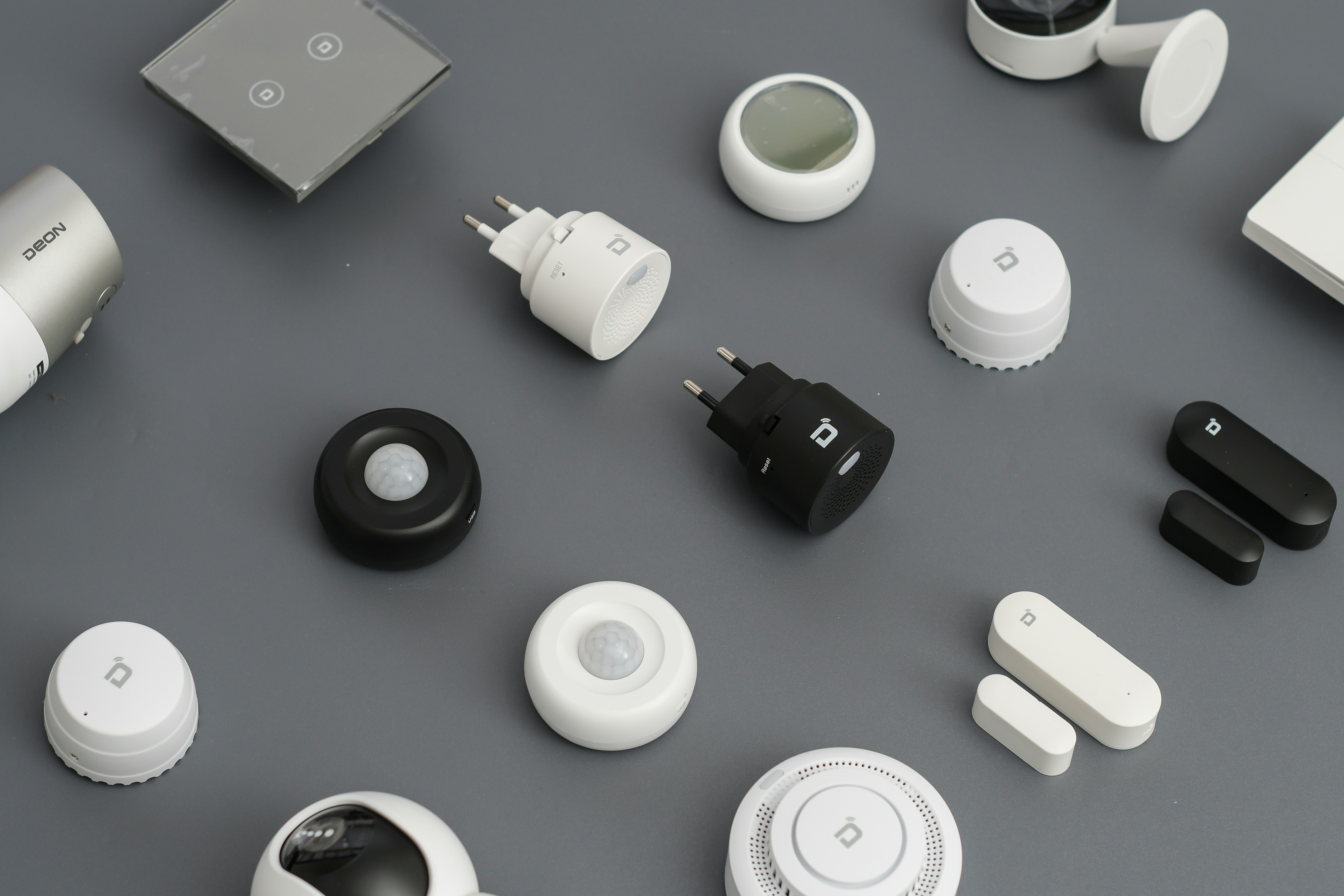
Smart home automation refers to the technology that allows homeowners to control various devices in their residences remotely via smartphones, tablets, or through centralized systems. In recent years, this concept has gained significant traction as more individuals recognize the benefits of integrating smart devices into their daily routines. As we approach 2025, the relevance of smart home automation continues to grow, driven by advancements in technology and an increasing demand for convenience and efficiency.
One of the primary advantages of smart home automation is the convenience it offers. With the ability to manage lighting, heating, security systems, and appliances from a single interface, homeowners can create a seamless living experience. For instance, one can schedule when lights turn on and off, set thermostats based on occupancy, or even receive notifications when someone is at the door, thereby streamlining daily tasks.
Energy efficiency is another critical aspect of smart home technology. Devices equipped with smart capabilities can significantly reduce energy consumption by optimizing usage patterns. For example, smart thermostats learn user habits and adjust heating or cooling settings accordingly, thereby minimizing waste and lowering utility bills. This feature not only supports environmentally friendly practices but also contributes to long-term savings for the homeowner.
Moreover, security is greatly enhanced through the deployment of smart devices. Homeowners can monitor their properties in real time, receive alerts about unusual activity, and even control locks and cameras remotely. This level of vigilance provides peace of mind and contributes to a safer living environment, an essential consideration for modern residents.
Lastly, the integration of smart home automation devices can lead to an enriched lifestyle. By automating mundane tasks, individuals can allocate more time to activities that bring them joy, whether that involves spending quality time with family or engaging in leisure activities. Thus, as we look towards 2025, the selection of smart devices is crucial for harnessing the full potential of home automation, ultimately enhancing overall quality of life.
Smart Speakers and Voice Assistants
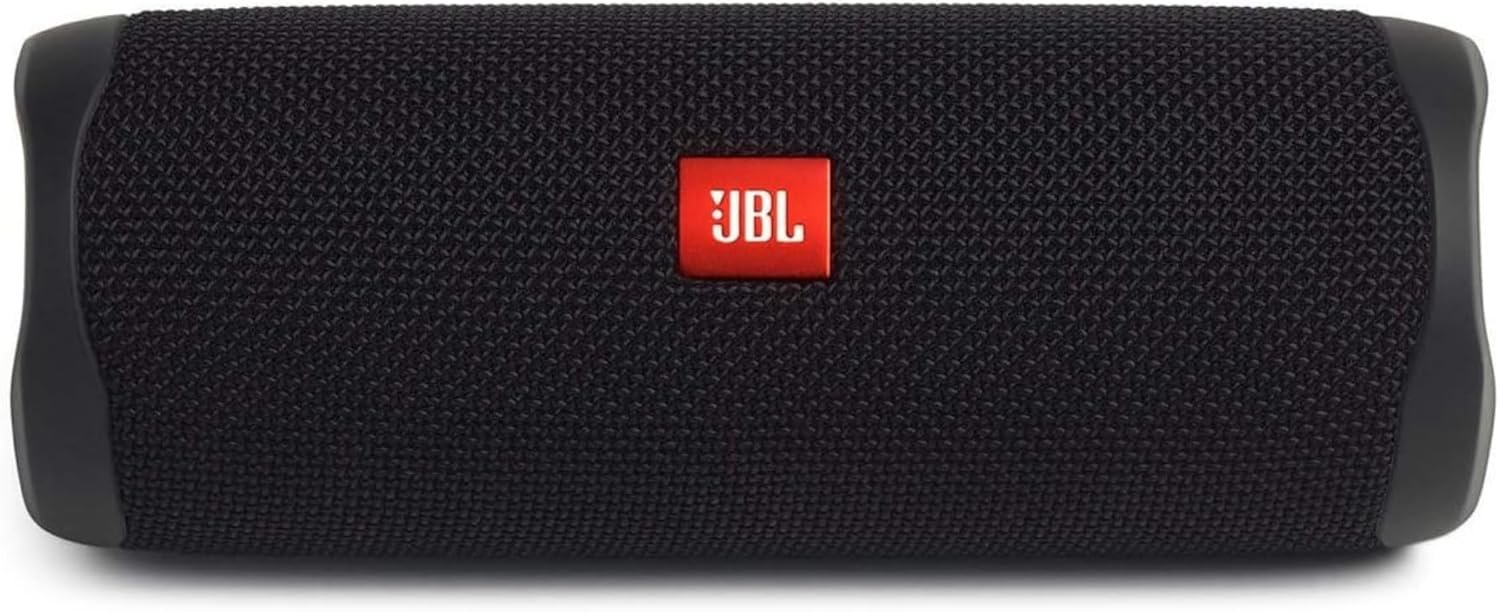
In recent years, smart speakers and voice assistants have fundamentally transformed the way individuals interact with technology in their homes. These devices are designed to streamline daily tasks through advanced voice recognition capabilities and seamless integration with a variety of smart home systems. As we look ahead to 2025, leading brands such as Amazon, Google, and Apple are expected to continue their dominance in the market, introducing new models equipped with enhanced functionalities and improved performance.
Smart speakers, including popular models like the Amazon Echo and Google Nest, serve as central hubs for managing household devices. Through simple voice commands, users can control everything from lighting and thermostats to security systems and appliances. The growing trend of home automation in 2025 is expected to elevate the capabilities of these devices even further, with advancements in artificial intelligence enabling more nuanced responses and greater personalization based on individual user preferences.
Voice assistants like Amazon’s Alexa, Google Assistant, and Apple’s Siri are becoming increasingly sophisticated, featuring enhanced contextual understanding that allows for more dynamic interactions. With built-in natural language processing, these voice assistants can handle complex requests and engage in multi-turn conversations, making them invaluable assistants in everyday scenarios. In addition, they support an expanding ecosystem of third-party applications and services, promoting wider compatibility with various smart home devices.
The continuous improvements in smart speaker technology also emphasize security and privacy, addressing the growing concerns of users in a connected environment. As manufacturers innovate, features such as voice print recognition are likely to emerge, ensuring that only authorized individuals can access certain functionalities. With their evolving capabilities, smart speakers and voice assistants will remain integral to the landscape of smart home automation well into 2025 and beyond.
Enhanced Security Systems
As the landscape of home automation continues to evolve, enhanced security systems stand out as essential components for safeguarding residences in 2025. Homeowners are increasingly prioritizing advanced security technologies, which not only provide peace of mind but also ensure comprehensive protection against intrusions. Central to these systems are smart locks, which allow users to manage entry points with ease and efficiency. Modern smart locks feature keyless entry options, enabling homeowners to gain access through fingerprint recognition or smartphone applications, thus eliminating the need for traditional keys that can be lost or stolen.
Another significant advancement in home security is the proliferation of video doorbells. These devices allow homeowners to monitor their front porches in real time, providing visual verification of visitors before granting access. With capabilities such as two-way audio communication and high-definition video, smart doorbells enhance security by enabling users to interact with delivery personnel or unexpected visitors remotely. Many models now incorporate facial recognition technology to alert homeowners when familiar faces approach, further reducing the risk of unauthorized access.
In addition to smart locks and doorbells, state-of-the-art surveillance cameras have become paramount in the realm of home security. Advanced features like motion detection, night vision, and cloud storage enhance their utility, allowing users to monitor their homes around the clock. Integration with mobile applications permits remote viewing, ensuring homeowners can stay vigilant even while away from home. Furthermore, many surveillance systems can link with local emergency services, providing rapid response capabilities in case of an emergency. This fusion of technology not only fortifies home safety but also fosters a proactive approach to personal security, ensuring residences are protected against potential threats.
Smart Thermostats and Climate Control
Smart thermostats have become integral components of modern home automation systems, evolving significantly with advancements in technology. The latest smart thermostats optimize energy usage while enhancing occupant comfort through intuitive design and sophisticated algorithms. Many of these devices are equipped with predictive analytics that allow them to learn personal habits and preferences over time. By assessing a household’s occupancy patterns, smart thermostats can adjust heating and cooling settings accordingly, ensuring that energy is not wasted when spaces are unoccupied.
Integration with local weather forecasts is another key feature of modern climate control devices. Smart thermostats can access real-time data about temperature fluctuations and weather conditions. This capability enables them to preemptively adjust indoor climates based on external factors, such as anticipated drops or rises in temperature. By anticipating these external changes, homeowners can prepare their environments in advance, leading to increased energy efficiency and reduced utility bills.
User-friendly interfaces also play a significant role in the appeal of smart thermostats. Most contemporary models come with mobile applications that allow users to manage their home climate from anywhere. They can easily tweak settings while away from home, ensuring comfort upon their return. Some devices are even compatible with voice-activated assistants, providing seamless control through simple voice commands. This convenience allows individuals to maintain optimal indoor conditions that align with their lifestyles.
Ultimately, smart thermostats and climate control devices represent a significant leap in the way we manage energy consumption and indoor comfort. As these technologies continue to evolve, they will undoubtedly play a pivotal role in smart homes, making environments not only more efficient but also more comfortable for their inhabitants.
Smart Lighting Solutions
As we progress further into the era of smart home technology, smart lighting solutions have emerged as an essential aspect of home automation in 2025. These advancements include not only smart bulbs but also innovative light strips and integrated home automation systems that enhance the overall living experience. One of the most significant features of smart lighting is the ability to control illumination remotely via smartphone applications or voice commands, providing homeowners with unprecedented convenience and flexibility.
Smart bulbs are at the forefront of this revolution, featuring adjustable brightness and color temperatures to suit various moods and settings. For instance, a homeowner can seamlessly transition from a bright, energizing daylight color during the morning to a warm, relaxing ambience in the evening—all at the touch of a button. Furthermore, many of these bulbs are equipped with energy-saving capabilities, which substantially lower electricity consumption and benefit the environment.
Complementing smart bulbs, LED light strips offer versatility in design and functionality. These strips can be installed in numerous locations, such as under cabinets, along stairways, or behind entertainment systems, to create captivating visual effects. Additionally, many light strips come with customizable features, allowing users to choose from a palette of colors or set schedules that align with their daily routines. This not only elevates the home’s aesthetic appeal but also contributes to improved mood and productivity levels.
Moreover, comprehensive home automation systems integrate smart lighting with other smart devices, enabling seamless interaction and learned preferences over time. Such systems can automatically adjust lighting based on occupancy, time of day, or user activity, ensuring a tailored experience. Overall, smart lighting solutions exemplify how technology can enhance home environments, paving the way for a more comfortable and efficient lifestyle for homeowners in 2025.
Smart Appliances for a Modern Kitchen
In recent years, the landscape of kitchen appliances has evolved significantly, with smart technology at the forefront of these changes. Smart appliances such as refrigerators, ovens, and dishwashers are designed to enhance efficiency and convenience, making them essential components of a modern kitchen in 2025.
Smart refrigerators feature advanced capabilities that allow for remote monitoring and management. Equipped with built-in cameras, these devices enable homeowners to view the contents of their fridge via a smartphone app, ensuring they can track inventory and manage grocery shopping more effectively. Some models are also designed with temperature control systems that optimize food storage and reduce energy consumption, aligning with today’s focus on sustainability.
Ovens have also undergone impressive advancements, offering automated cooking settings that cater to various culinary needs. Many smart ovens can be programmed via smartphones to begin preheating at a specified time or can adjust cooking temperatures based on the recipes imported from compatible apps. These features not only enhance precision in cooking but also allow users to multitask efficiently, providing real-time alerts when meals are ready or when maintenance is needed.
Furthermore, smart dishwashers embody innovative technology that streamlines the cleaning process. With sensors that detect the level of soil on dishes, these appliances automatically adjust water and energy usage, enhancing efficiency. Many models can be controlled remotely, allowing users to start or schedule cycles even when they are not at home. This degree of control not only saves time but also contributes to better energy management and reduced utility costs.
As technology continues to advance, the integration of smart appliances in kitchens will remain integral, elevating the functionality of daily tasks. Embracing these innovations is a step towards creating a smarter, more efficient home.
Home Entertainment Systems
The realm of home entertainment has undergone significant transformation, particularly with the advancement of smart home technology. In 2025, entertainment systems are not merely devices for sound and visuals; they embody interconnected ecosystems that enhance the viewing and listening experience. Modern smart TVs offer high-definition displays, seamless streaming capabilities, and integration with various digital platforms, allowing users to access an extensive library of content at their fingertips. These devices employ advanced algorithms to recommend personalized content based on viewing history, fostering a more engaging home entertainment experience.
Streaming devices further elevate home entertainment by providing additional functionalities beyond those of standard smart TVs. Devices such as Roku, Amazon Fire Stick, and Apple TV support a multitude of streaming services, thereby consolidating users’ options. Every click leads to a world of entertainment with minimal lag, thanks to improved connectivity features such as Wi-Fi 6 and Bluetooth. Moreover, many of these devices are equipped with voice control capabilities, enabling users to navigate through extensive libraries hands-free. This element of convenience aligns perfectly with the broader objective of home automation, ensuring that one can easily control their entertainment systems without physical interaction.
Sound systems play a pivotal role in the overall ambiance of a smart home. Multi-room audio systems, such as Sonos and Google Nest Audio, allow users to enjoy synchronized music playback throughout the house and can be controlled remotely via smartphones or voice commands. The integration of these sound systems with smart home devices ensures that they can interact fluidly with other technologies, such as lighting and security systems, creating a cohesive and immersive audio-visual environment. As we move forward, the demand for sophisticated, user-friendly entertainment systems is set to rise, marking an exciting chapter in the evolution of smart home ecosystems.
7. Smart Health Monitoring Devices
The emergence of smart health monitoring devices is transforming the landscape of personal healthcare within our homes. These advanced technologies, which encompass a range of products such as smart scales, air quality monitors, and wearable devices, are designed to track various health metrics, ultimately promoting wellness and enhancing quality of life.
Smart scales, for example, go beyond simple weight measurement. They provide valuable insights into body composition, including muscle mass, fat percentage, and hydration levels. These metrics help users set realistic health goals and monitor their progress over time. With the incorporation of wireless technology, smart scales can sync data to smartphones or tablets, allowing users to visualize changes and trends in their health metrics seamlessly.
Air quality monitors represent another critical component of home health monitoring. These devices assess indoor air pollutants, including volatile organic compounds (VOCs), allergens, and carbon dioxide levels. By providing real-time data, users can take necessary actions to improve air quality, which is vital for respiratory health, particularly for those with pre-existing conditions like asthma or allergies. This awareness leads to a healthier living environment and encourages users to adopt practices that reduce indoor pollution.
Moreover, wearables such as fitness trackers and smartwatches further contribute to a comprehensive health monitoring strategy. These devices track physical activity, heart rate, sleep patterns, and more, serving as constant companions for personal health management. By providing alerts for irregularities or encouraging users to stay active throughout the day, wearables foster a proactive approach to health maintenance.
Overall, smart health monitoring devices significantly enhance personal wellness by offering users valuable data and actionable insights. As technology continues to advance, integrating these devices into daily life will increasingly empower individuals to take control of their health and well-being.
Home Automation Hubs
Home automation hubs serve as centralized control systems that enable seamless communication between various smart devices within a household. By acting as a bridge, they facilitate interoperability among devices from different manufacturers, ensuring that users can efficiently manage their smart home ecosystem. Popular hubs like Samsung SmartThings, Amazon Echo Plus, and Google Nest Hub exemplify this functionality, offering diverse features to tailor the smart home experience.
The primary role of a home automation hub is to simplify the user interface, allowing homeowners to control all connected devices through one application or voice command system. This unification eliminates the hassle of juggling multiple apps and remote controls, enhancing overall user convenience. Furthermore, these hubs typically support various communication protocols, including Zigbee, Z-Wave, and Wi-Fi, thereby accommodating a wider array of devices and brands. Such compatibility ensures that homeowners can select devices based on preference or budget without being restricted to a single manufacturer.
In addition to basic control functions, many home automation hubs incorporate sophisticated features such as automation routines, security monitoring, and energy management. For instance, users can create custom settings to trigger specific actions within the smart home environment, such as turning on lights or adjusting the thermostat at designated times. Moreover, some hubs provide capabilities for remote monitoring, enabling users to check the status of devices or receive alerts while away from home.
Ultimately, home automation hubs are indispensable tools that enhance connectivity and control within a smart home ecosystem. Their ability to unify various devices and offer advanced functionalities underscores their value, making them an essential component for anyone looking to optimize their smart home experience.
The Future of Smart Home Automation
As we look towards 2025 and beyond, the landscape of smart home automation is poised for significant transformation driven by emerging trends and advancements in technology. One key area of development is the integration of artificial intelligence (AI) into smart home systems. AI is expected to enhance automation by enabling devices to learn user behaviors and preferences, leading to a more personalized and intuitive experience. This evolution will allow smart home devices to optimize energy usage, enhance security protocols, and seamlessly interact with one another, creating a cohesive ecosystem that adapts to the user’s lifestyle.
Data security remains a critical consideration as smart homes become increasingly interconnected. With the proliferation of smart devices, safeguarding sensitive personal information is paramount. Future advancements are likely to focus on robust encryption methods and decentralized data storage solutions. As more consumers adopt smart home technologies, manufacturers will be compelled to prioritize security features, ensuring that users can enjoy the conveniences of automation without compromising their privacy and safety.
User experience and interface design will also undergo substantial enhancements. Future smart home systems are expected to incorporate more user-friendly interfaces, allowing for easier control and management of devices. Voice recognition and natural language processing will likely improve, allowing users to interact with their devices in a conversational manner. Moreover, augmented reality (AR) may play a role in providing information and insights about home automation devices, helping users make informed decisions regarding their smart home setup.
Ultimately, as these trends unfold, the smart home automation sector will become increasingly sophisticated. The combination of AI integration, heightened focus on data security, and enhanced user experience will significantly improve functionality and convenience for users. The advancements anticipated in the coming years will undoubtedly redefine the way individuals experience their homes, making automation smarter and more accessible to all.