Sustainable Period Products
In recent years, the conversation surrounding menstrual products has shifted significantly towards sustainability. Traditional menstrual products, such as disposable pads and tampons, contribute to substantial environmental challenges. These products often contain synthetic materials, including plastics and chemicals, which not only impact the individual’s health but also result in severe ecological footprints. It is estimated that a single menstruating individual will use over 11,000 disposal products in their lifetime, many of which can take decades or even centuries to decompose in landfills.
The harmful effects of these conventional products stretch beyond their disposal. The production processes for many disposable menstrual items involve extensive resource consumption and emissions that contribute to climate change. Furthermore, the chemicals found in these products can leach into the soil and waterways, causing significant harm to local ecosystems. With growing awareness of these issues, many individuals are seeking sustainable period alternatives, prompting a transformative shift within the menstrual care market.
Adopting sustainable period products not only decreases the negative environmental impact but also promotes personal health and well-being. Eco-friendly options often include reusable and biodegradable alternatives, which can be gentler on the body, free from harmful synthetics. The increasing availability and variety of sustainable menstrual products—such as menstrual cups, reusable pads, and organic cotton tampons—offer individuals a chance to make conscious choices that contribute to a healthier planet.
Ultimately, the transition to sustainable period products is an empowering step towards reducing one’s ecological footprint. Individual choices play a crucial role in promoting environmental stewardship and can collectively lead to significant changes in our world. As we explore the array of options available, it becomes evident that sustainability in menstrual care is not merely a trend, but a vital aspect of an eco-friendly lifestyle.
Menstrual Cups
Menstrual cups are a flexible, funnel-shaped device designed for internal use during menstruation. Typically made from medical-grade silicone, rubber, or latex, these cups are an eco-friendly alternative to traditional disposable menstruation products like pads and tampons. They work by collecting menstrual fluid rather than absorbing it. The cups are inserted into the vagina, where they create a seal against the vaginal walls to prevent leaks. Users can wear menstrual cups for up to 12 hours, depending on their flow, making them a convenient option for individuals with varied lifestyles.
One of the primary benefits of menstrual cups is their reusability. Unlike disposable products that contribute significantly to landfill waste, a single menstrual cup can last for years when properly maintained. This longevity not only reduces the environmental impact but also makes menstrual cups a cost-effective solution in the long run. Though the initial investment may be higher compared to purchasing monthly supplies of pads or tampons, the savings accumulate over time, benefiting both the consumer and the environment.
Menstrual cups come in various sizes and materials to accommodate different body types and preferences. Common options include different diameters and lengths, catering to users who have given birth or those who have not. Additionally, certain manufacturers provide options that are softer for those who may prefer a gentler material. Proper maintenance involves cleaning the cup with mild soap and water before and after use, and sterilizing it by boiling in water at the end of each menstrual cycle.
Despite their numerous benefits, some misconceptions exist about menstrual cups. Many people assume they are uncomfortable or complicated to use. However, with practice, users generally find them to be a comfortable and effective means of managing menstrual flow. By addressing these misconceptions and understanding the functionality of menstrual cups, individuals can make informed decisions about their period products, contributing to a more sustainable lifestyle.
Cloth Menstrual Pads
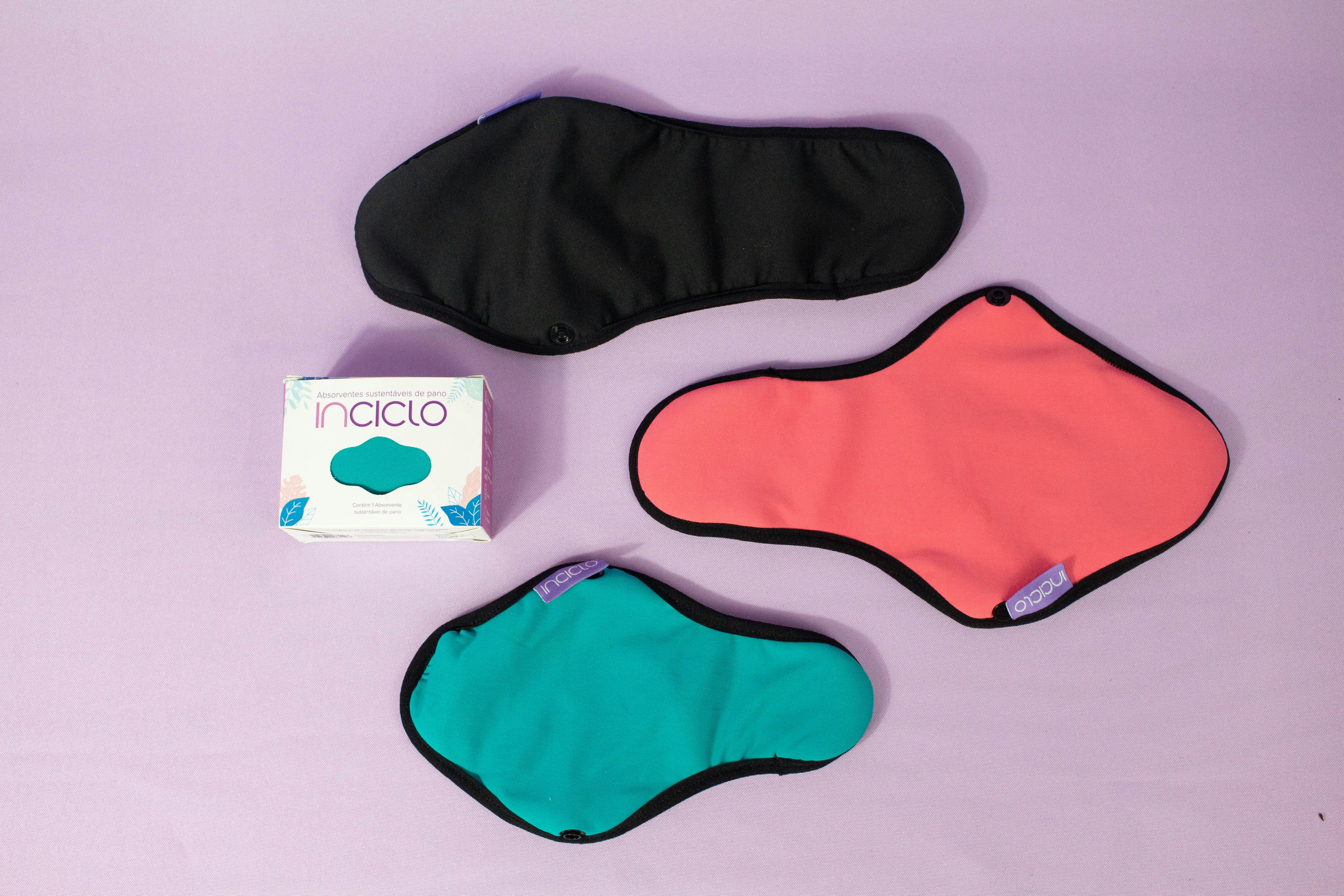
Cloth menstrual pads are an eco-friendly alternative to traditional disposable pads, designed to provide comfort and sustainability during menstruation. Typically made from natural fibers such as cotton, hemp, or bamboo, these pads can be both highly absorbent and breathable. Their design often incorporates various layers to enhance absorbency while ensuring that they are gentle against the skin, reducing the risk of irritation often associated with disposable options.
One of the significant advantages of cloth menstrual pads is their longevity. Unlike single-use products that contribute to landfill waste, cloth pads can last for several years with proper care. To maintain their functionality, it is essential to wash them regularly. After use, simply rinse off any menstrual fluid, and then wash them in a machine or by hand with a mild detergent, allowing them to air dry. This process not only preserves the integrity of the pads but also ensures a hygienic experience.
Choosing cloth menstrual pads over disposables also supports local artisans or encourages the use of organic materials. Many brands produce handmade, ethically sourced cloth pads, which can contribute to the local economy and reduce environmental impact due to lower production footprints. By selecting organic materials, users can ensure that they are avoiding harmful chemicals often found in conventional menstrual products, promoting a healthier choice for both the body and the planet.
Furthermore, cloth pads come in various sizes, styles, and absorbencies, allowing individuals to choose options that best suit their personal preferences and needs. The combination of practicality, comfort, and reduced environmental impact makes cloth menstrual pads an excellent choice for those looking to adopt a more sustainable lifestyle.
Period Underwear
Period underwear represents a groundbreaking innovation in menstrual care, merging comfort and sustainability. Designed to absorb menstrual flow, these undergarments function similarly to traditional pads or tampons but with the added benefit of reusability, significantly reducing waste. Typically crafted from a blend of absorbent fabrics and leak-proof materials, they provide adequate protection while allowing users to feel dry and secure.
The absorption capacity of period underwear can vary significantly among brands and styles, accommodating light to heavy flows. Most products offer a range that can absorb up to four tampons’ worth of menstrual fluid, making them suitable for all cycle days. They can be worn alone or used in combination with other products, such as menstrual cups or discs, providing flexibility for users at different stages of their menstrual cycle.
From a sustainability perspective, period underwear contribute to a greener lifestyle. Unlike disposable menstrual products, which can take hundreds of years to decompose in landfills, these reusable options can last for several years with proper care. This longevity not only reduces overall waste but also lessens the environmental impact associated with producing and disposing of single-use products.
Consumers are greeted with a diverse array of styles and brands in the period underwear market, catering to various preferences, including cotton, comfortable designs, and fashion-forward options. Popular brands include Thinx, Modibodi, and Knix, each providing unique features and designs that appeal to a broad audience. User testimonials indicate a general satisfaction with their reliability and comfort, highlighting their capacity to improve the menstrual experience while positively contributing to the environment. By choosing period underwear, individuals can embrace a sustainable alternative that aligns with an eco-friendly lifestyle.
Organic Cotton Tampons
Organic cotton tampons are emerging as a preferred choice for individuals seeking sustainable menstrual products. Unlike conventional tampons, which often contain harmful chemicals, synthetic fibers, and fragrances, organic cotton tampons are made from 100% natural cotton that is grown without the use of pesticides or fertilizers. This not only provides a healthier alternative for users but also minimizes environmental impact during production.
The cultivation of organic cotton emphasizes sustainable farming practices that promote biodiversity and soil health. As a result, consumers can enjoy peace of mind knowing that their choice contributes less to pollution and degradation of ecosystems. Additionally, organic cotton tampons are free from chlorine bleaching, a process commonly used in conventional tampons that can result in the release of dioxins—harmful compounds associated with several health risks.
In addition to being made from natural materials, many brands producing organic cotton tampons prioritize eco-friendly packaging. Biodegradable or compostable wrappers and boxes are designed to reduce plastic waste, aligning with the growing demand for sustainable consumer products. Therefore, individuals looking to adopt a more eco-friendly lifestyle can find multiple options that address both health and environmental concerns when selecting organic cotton tampons.
Several reputable brands have emerged in the market, offering a range of organic cotton tampon products. Brands such as O.B., Natracare, and Honest Company are highly regarded for their commitment to sustainability, providing accessible options that allow consumers to make conscious decisions regarding their menstrual health. By choosing organic cotton tampons, individuals not only support more sustainable agriculture but also invest in their own well-being through safer, chemical-free products.
Reusable Period Discs
Reusable period discs are an innovative and eco-friendly alternative to traditional menstrual products, designed to provide a comfortable, convenient, and sustainable solution during menstruation. Unlike menstrual cups, which are shaped like bells and typically sit lower in the vagina, period discs are flat and sit higher up, creating a seal at the cervix. This unique positioning allows them to collect menstrual fluid, providing a leak-proof experience while being unobtrusive and comfortable for users. This design shift not only enhances comfort but also contributes to the waste reduction efforts paramount in eco-conscious lifestyles.
One of the primary benefits of reusable period discs is their capacity for extended use. A single disc can last through several menstrual cycles, depending on the brand and care taken, significantly reducing the amount of waste produced compared to disposable products. Many users report that period discs can be worn for up to 12 hours, making them an appealing option for those leading busy lives. Additionally, the absence of chemicals and fragrances common in many commercial pads and tampons makes period discs a healthier choice for the body and the environment.
Several brands have emerged, offering a variety of reusable period discs. Some popular options include the Diva Discs and the Nixit disc, each with unique features designed for different preferences. When using a period disc, proper insertion, removal, and cleaning are essential for optimal performance. Users should be sure to familiarize themselves with instructions provided by the manufacturer to ensure a comfortable fit and hygiene. Regular washing with mild soap and water will help maintain the disc’s integrity, ensuring a sustainable and healthy option throughout the menstrual cycle.
Eco-Friendly Menstrual Disposables
In recent years, there has been an increasing awareness surrounding the importance of sustainable menstruation options, including eco-friendly menstrual disposables. Traditional pads and tampons often contain plastic and synthetic materials that do not decompose naturally, posing significant threats to our environment. However, an array of biodegradable options has emerged on the market, offering consumers a conscientious choice for their monthly needs.
Eco-friendly menstrual disposables, such as biodegradable pads and organic cotton tampons, are made from natural materials that break down more easily in landfills. These products rely on biodegradable substances such as organic cotton, bamboo, and cornstarch. Unlike their conventional counterparts, these materials do not release harmful chemicals into the soil, promoting a healthier ecosystem. Using disposable products manufactured sustainably helps reduce plastic waste and contributes to a decrease in the overall carbon footprint associated with menstruation.
Many brands have begun to prioritize sustainability while ensuring quality and comfort. Notable eco-friendly menstrual disposable brands include Natracare, which offers pads and tampons made from organic cotton and renewable materials. Another commendable option is Organyc, a brand that specializes in organic cotton products, free from synthetic and toxic chemicals. Additionally, LOLAs commitment to using 100% organic cotton ensures their products are both environmentally friendly and safe for personal health.
By transitioning to eco-friendly menstrual disposables, individuals can significantly reduce their environmental impact. These products not only provide the necessary functionality women seek during their periods but also align with a sustainable lifestyle that prioritizes the health of our planet. Choosing biodegradable options is a necessary step toward a more eco-conscious world.
Natural Menstrual Pain Relief Options
Menstrual pain is a common experience for many individuals, and seeking natural relief methods can be particularly beneficial alongside the use of sustainable period products. Various herbal remedies and lifestyle changes can provide alternative options that not only alleviate discomfort but also align with eco-friendly practices.
Herbal remedies have been used for centuries to help ease menstrual cramps. Some of the most effective herbs include ginger, chamomile, and raspberry leaf. Ginger, known for its anti-inflammatory properties, can be consumed as tea or in capsule form to reduce pain. Chamomile is another excellent option; it promotes relaxation and can help with muscle spasms. Raspberry leaf has been traditionally used to regulate menstrual cycles and can also ease pain. When selecting herbal remedies, sourcing organic and sustainably grown products is advisable to ensure minimal environmental impact.
In addition to herbal remedies, lifestyle modifications can play a crucial role in managing menstrual pain. Regular exercise and yoga are excellent practices for improving circulation and reducing tension in the body. Engaging in these activities not only promotes overall well-being but also helps combat menstrual discomfort. Furthermore, maintaining a balanced diet rich in omega-3 fatty acids, fruits, and vegetables can strengthen the body’s natural response to pain.
Eco-friendly heating pads offer another natural solution to relieve menstrual cramps. These can be made from organic materials and filled with substances like rice or corn, which when heated, provide soothing warmth to the abdominal area. Additionally, commercially available heating pads made from sustainable materials can serve a similar purpose while minimizing carbon footprints.
By integrating herbal remedies, lifestyle changes, and eco-friendly heating options, individuals can effectively manage menstrual pain while embracing a sustainable approach to their menstrual health. This holistic perspective not only enhances comfort but also contributes to an eco-conscious lifestyle.
Making the Transition to Sustainable Products
Transitioning to sustainable period products is an important step towards promoting environmental health while taking care of your own menstrual needs. For many individuals, the shift can feel overwhelming, but taking it one step at a time can make the process smoother and more manageable.
First and foremost, it is advisable to gradually introduce sustainable products into your menstrual routine. Instead of completely overhauling your period care all at once, try testing one new product per cycle. For example, if you typically use disposable pads, consider starting with a cloth pad or a menstrual cup for just a few days of your cycle. This gradual approach allows your body to adapt, and it provides you with time to assess the product’s effectiveness and comfort levels.
Budget considerations are also essential when making the transition to sustainable period products. Although the initial investment in reusable items may seem higher compared to disposable products, it is vital to keep in mind the long-term savings. A menstrual cup can last for several years, significantly reducing the overall spend on period care. When budgeting, consider how much you currently spend on conventional products and compare that to the expected lifetime of reusable alternatives. Researching bulk options or attending local workshops can also provide opportunities to procure these products at a discount.
Lastly, educating yourself about menstrual health and sustainability is crucial in this transition. There are numerous resources available, including online communities, workshops, and literature focused on eco-friendly period products and their benefits. Websites and blogs dedicated to sustainable living can provide reviews and detailed experiences that can help inform your choices.
In conclusion, by taking small steps, being mindful of your budget, and utilizing available resources, you can successfully transition to sustainable period products, contributing to a more eco-friendly lifestyle.
Conclusion
Choosing sustainable period products represents a significant step towards promoting environmental well-being and enhancing menstrual health. The options available today—ranging from reusable cloth pads and menstrual cups to organic cotton tampons—offer various benefits that go beyond personal comfort and health. By embracing these sustainable alternatives, individuals can contribute to reducing the staggering amount of waste generated by single-use period products, which often linger in landfills for centuries.
The menstrual industry has traditionally relied on disposable products, which not only harm the environment but also often contain harmful chemicals. This underlines the importance of shifting towards eco-friendly options that are less intrusive to our planet. Moreover, sustainable period products are designed with the user’s health in mind, typically made from organic and natural materials that lessen the risk of irritation and other health issues.
As we reflect on the collective impact of our choices, it becomes clear that even small changes can yield substantial benefits for the environment. Opting for sustainable menstrual products is more than a personal decision; it is a conscious effort to partake in a broader eco-friendly lifestyle that prioritizes both individual health and the health of our planet. By selecting products that align with sustainable practices, consumers are empowered to make informed choices that resonate with their values.
We encourage readers to explore the diverse options discussed throughout this blog post. By understanding the benefits of these sustainable alternatives, you can take action that contributes meaningfully to environmental conservation. Just as each choice leads to a broader impact, your commitment to using eco-friendly period products can inspire those around you to consider their own menstrual health decisions. Together, we can foster a world that embraces sustainability and supports a healthier ecosystem.